Rubber Tappers and Forest Peoples
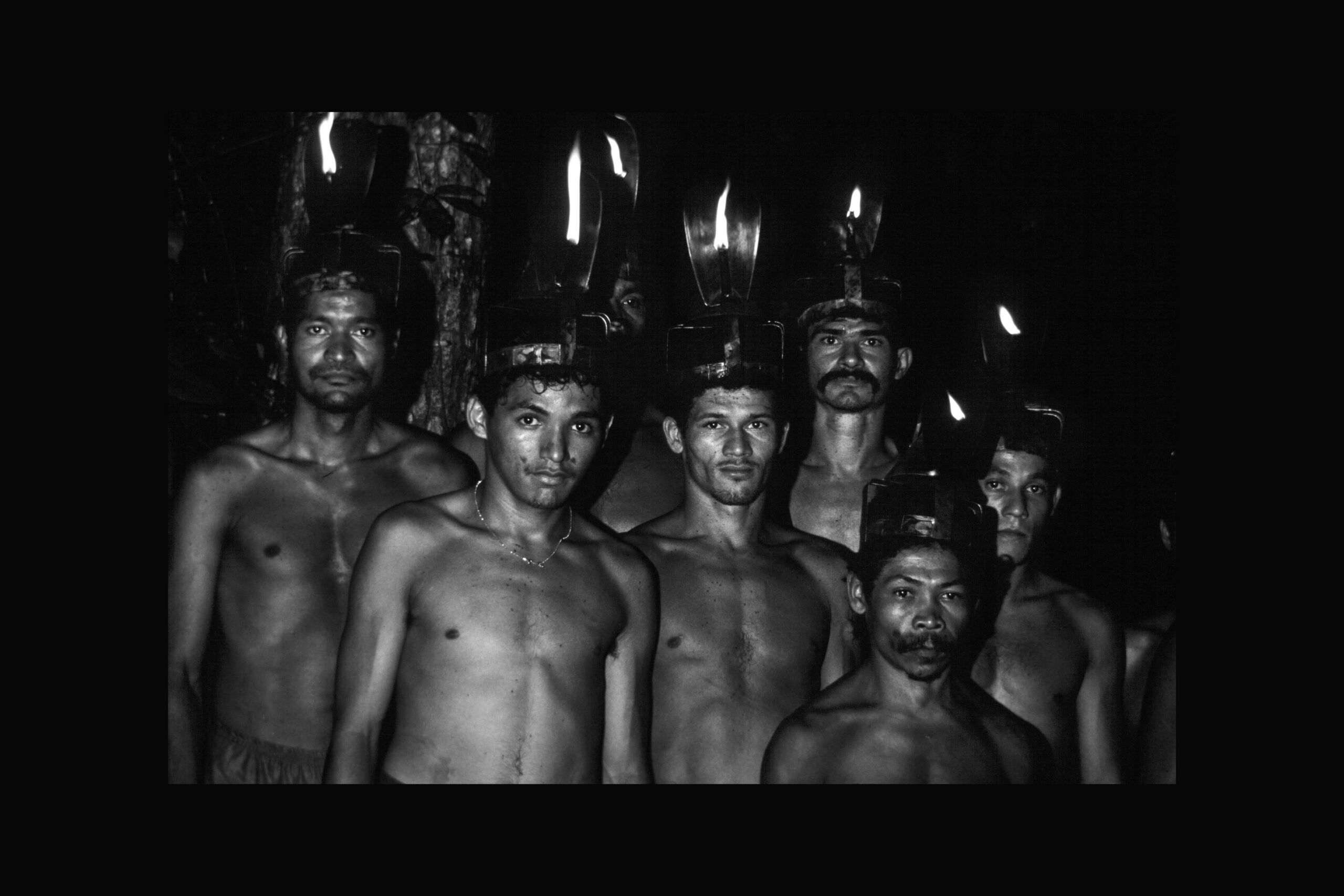
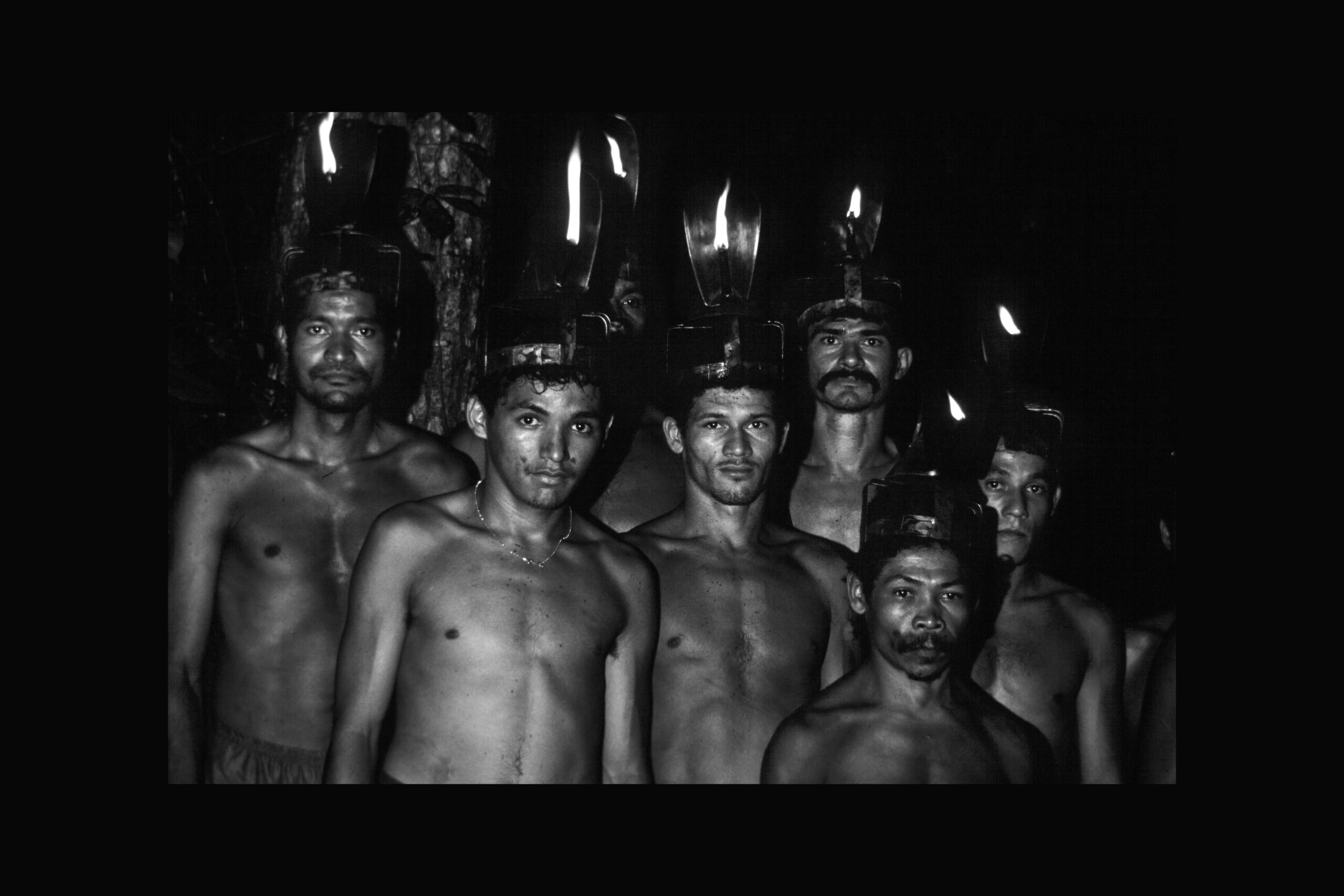
In the current debate on the Amazon and climate change, it is important to emphasize that the forest peoples have been in the Amazon for at least 5,000 years. Archaeological research indicates that indigenous peoples have been present in the Amazon rainforest and interacting with it for 8,000 to 10,000 years.
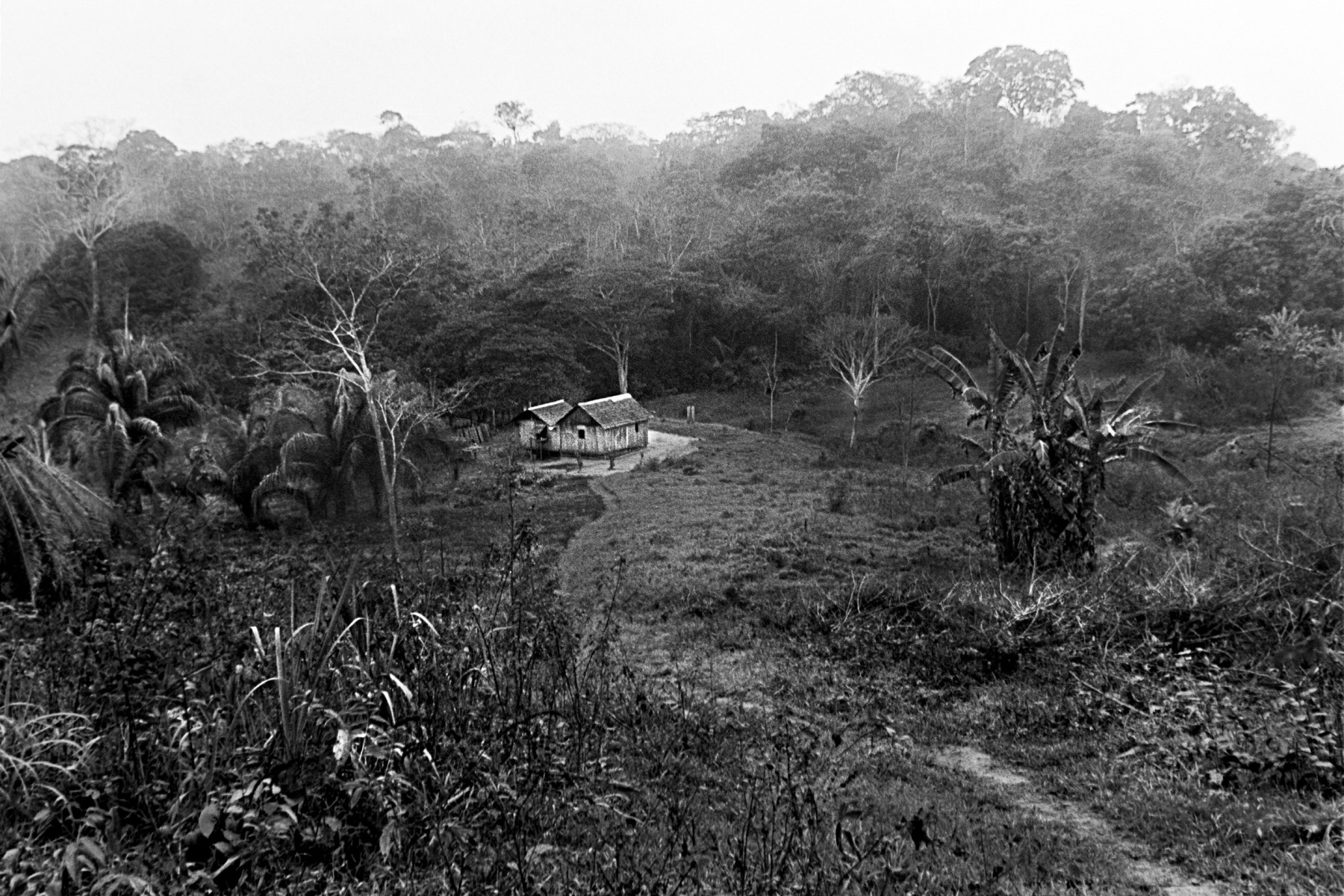
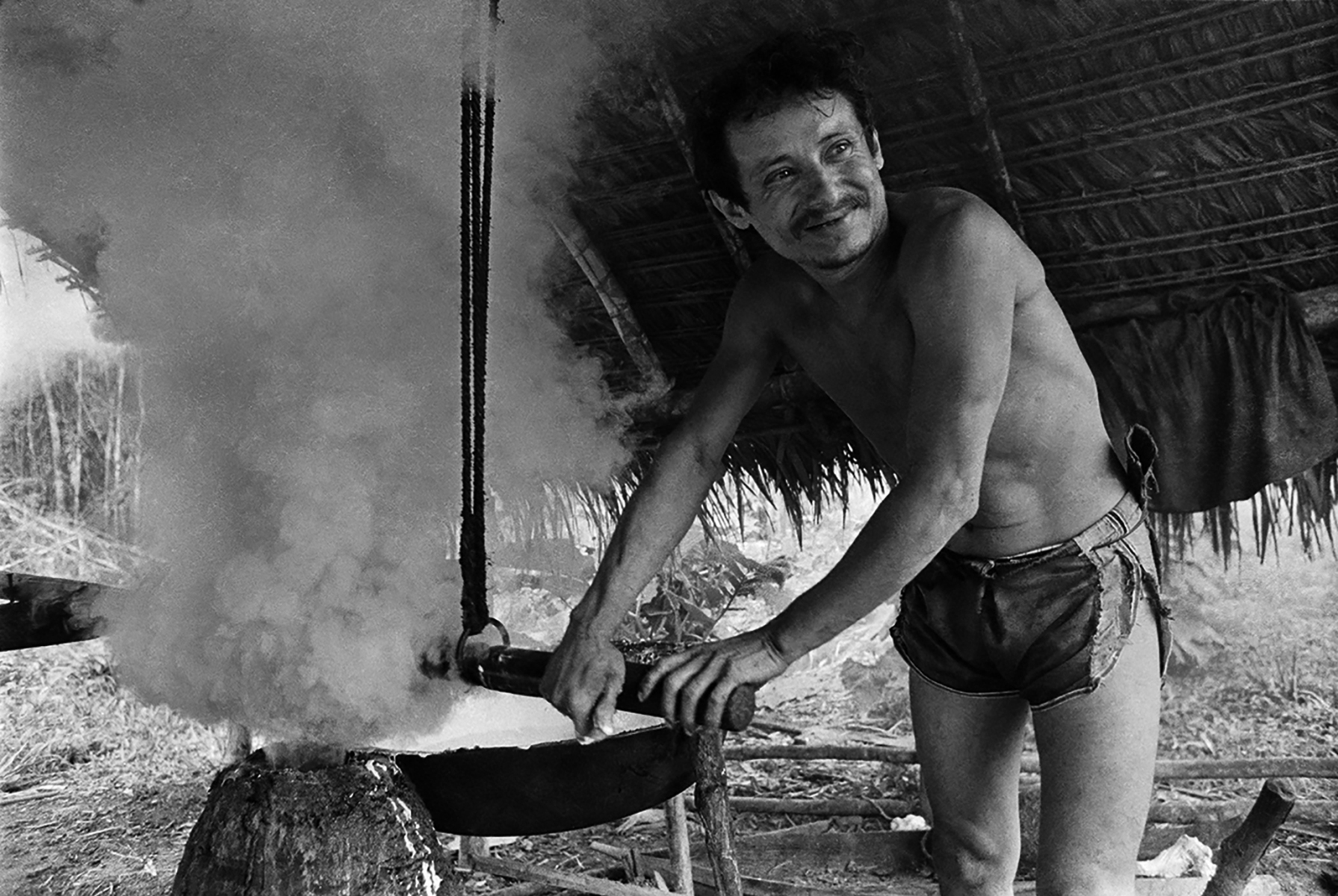
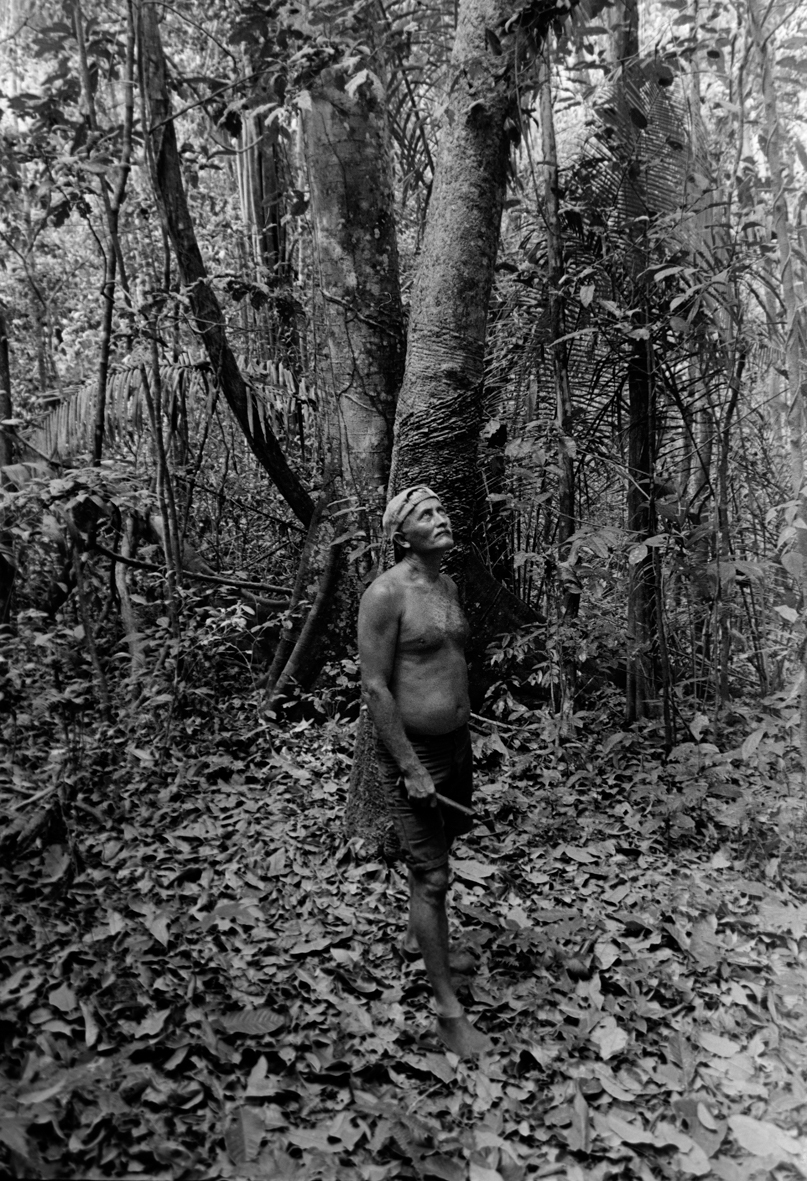
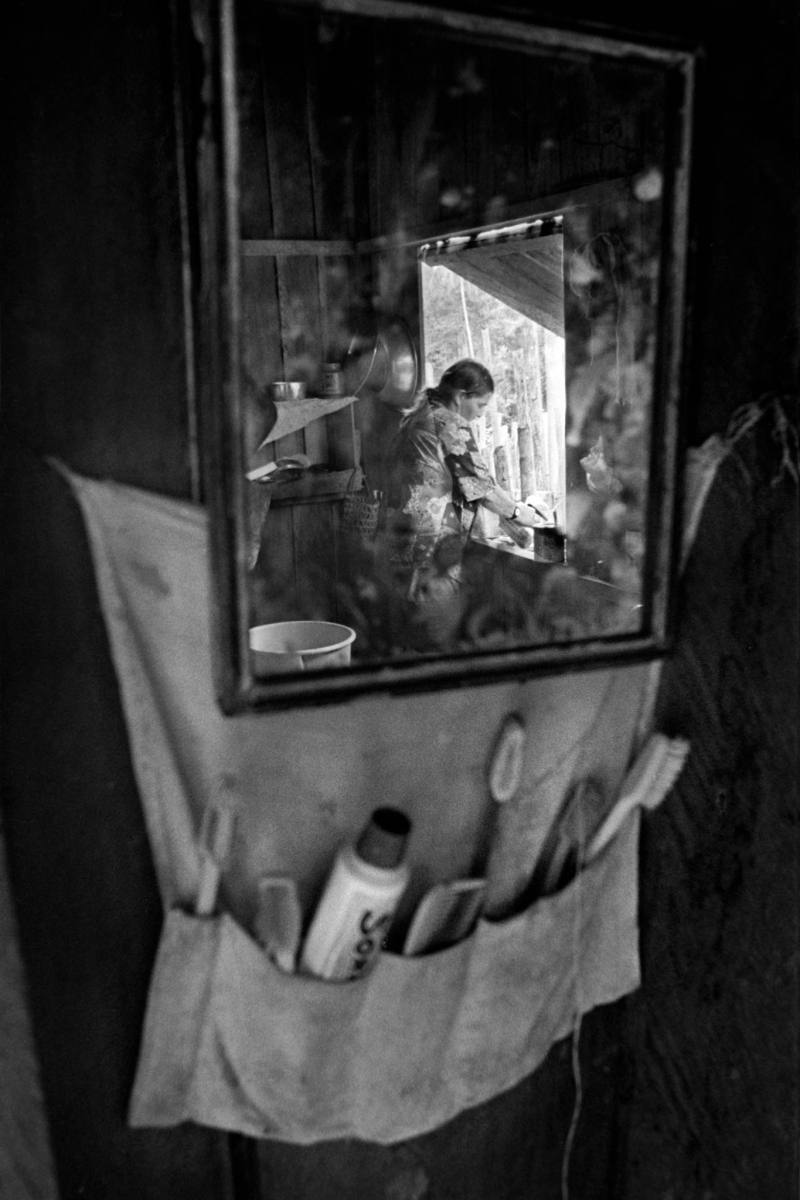
Other non-indigenous social groups include rubber tappers, riverine communities, and quilombolas, who were forced to live in and adapt to the forest for logging and the extraction of latex to produce natural rubber for the tire industry. They learned from the indigenous peoples how to live with the forest and have been in the Amazon for at least 200 years. This shows that we already know how to keep the forest standing based on the experience of these forest peoples, and the presence of rubber tappers is concrete proof that it is possible for a non-indigenous group to coexist with the forest, understand its codes, and participate in its preservation.
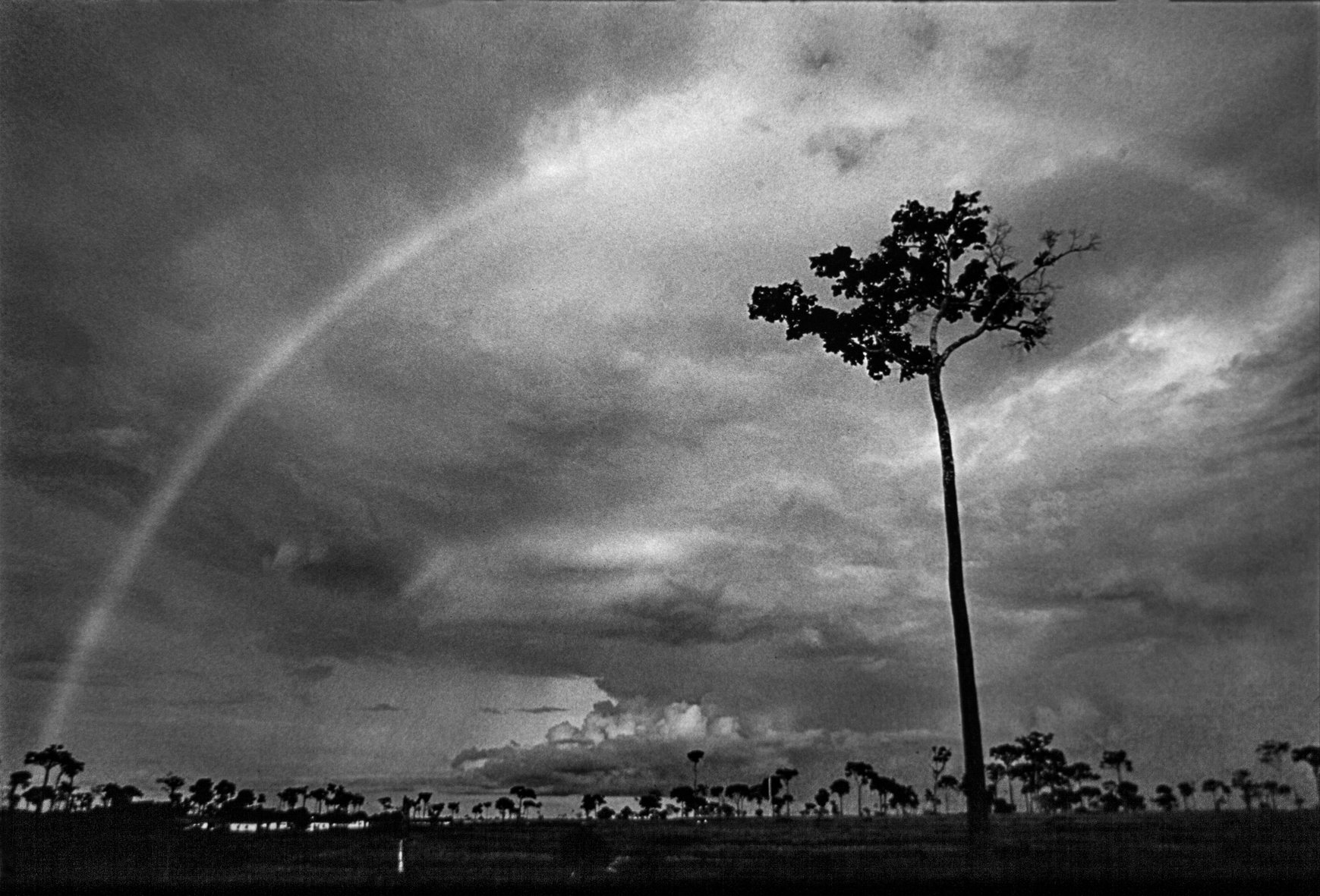
The Curvature of the Gaze is an attempt to synthesize ideas that have gradually taken shape through local learning from rubber tappers and riverine communities and their perceptions—ideas that have given meaning to and brought together my research and curiosity about space-time and the relationship with light, the inexorable path of photography and a fundamental element for the tropical forest, as well as for the planet. What I had learned from books and academic theses took on clear contours in my daily life in the forest and, to my amazement, with a simplicity that physics textbooks fail to capture.
We must seek a perspective that follows the curve of space-time of our presence on the planet as an integral part of it. And today I have no doubt that this is an observational technology for the encounter with perception.
And when we turn to Einstein, we realize that when we reach the speed of light, what we call “time” stops. It’s as if someone had pressed the pause button—but it is we ourselves who are the “pause.” And so, as Einstein himself stated, everything depends on the observer’s point of view.